Six Kinds of Pool Table Job
From home game rooms to bars and halls, most table work fits one of these six jobs
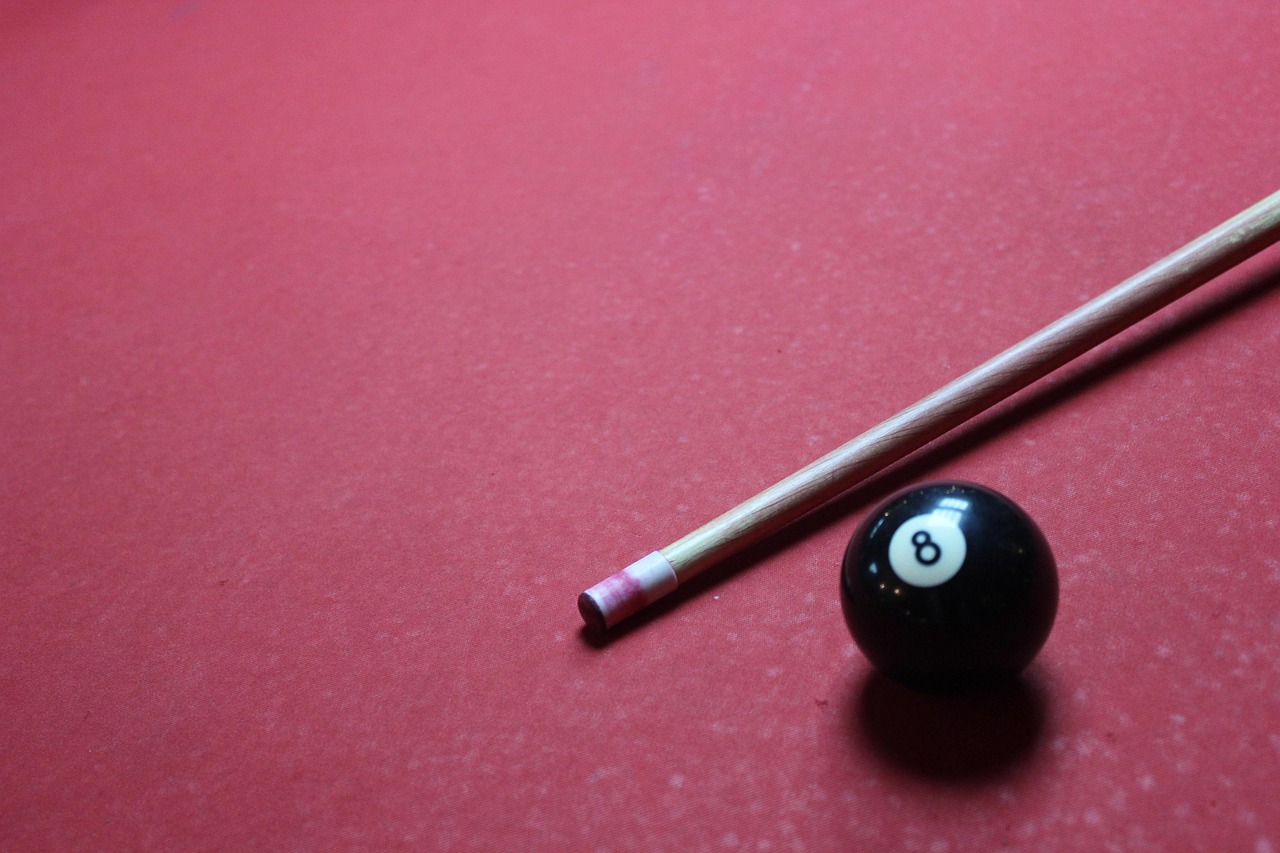





What the common table jobs look like, from a new game room to a hall full of league tables
From home game rooms to bars and halls, most table work fits one of these six jobs
The details that decide whether a table job goes well
A game room starts with a tape measure. Leave about five feet between each rail and the nearest wall for a standard 58-inch cue, make sure the floor can carry a slate table, and hang the light over the playing surface rather than the rails. The table goes in last.
Bars and halls put far more hours on a table than any home. Coin-op tables need the ball return checked, and busy rooms recloth every two to three years, on a schedule that stays clear of league nights.
An older table with sound slate is often worth restoring. The usual work is new cushion rubber, new cloth and repaired pockets, with the wood refinished, the slate re-leveled and the seams refilled.
Slate is heavy and brittle. A safe move takes the table down to its parts, carries the slate on edge, and reassembles and re-levels it at the new address. Moving a table in one piece is how slate cracks.
What to check before the crew packs up
Roll a ball slowly down the middle and along each rail. It should not drift. Ask the crew to show you the level reading on the slate.
The cloth should lie flat with no wrinkles or soft spots, and wrap cleanly over the rails with no bunching at the pockets.
Hit a ball firmly into a long cushion and count how far it travels. Dead or hardened rubber sends it back short and at the wrong angle.
On a three-piece slate, run a hand across each seam under the cloth. You should not feel a ridge or a dip.
Walk the carry path and check walls, door frames and floors while the crew is still there, not the next morning.
A good crew tells you how to brush the cloth, what humidity to keep in the room, and when the table should be checked again.
Read what each job involves before you call anyone, then compare at least two written quotes
Want the detail on each job? Read what each pool table job involves